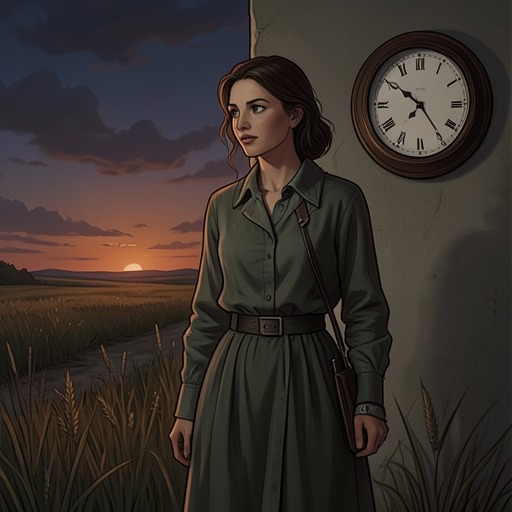
la dernière journée heureuse de toute ma vie
L'Amour et les Forêts“la dernière journée heureuse de toute ma vie” is Bénédicte’s description of a day of overwhelming happiness. The phrase makes joy inseparable from its anticipated ending: she experiences the day as a miracle, but believes it is also the last of its kind in her life.
Meaning and Form
Bénédicte says the encounter has disrupted her orderly life like a revolution. Her smiles seem to erupt beyond her control, like popular rejoicing; she insists that neither the smiles nor the moment’s magic belong to her. The expression condenses that feeling of being carried beyond herself into a conviction that the happiness is exceptional and unrepeatable.
Her image of burning intensifies the phrase. She describes happiness as consuming her from within, until nothing of her will remain but a small pile of ashes. Joy is not presented as calm contentment but as an experience so total that it seems to destroy the person who feels it.
The Exchange
Her interlocutor rejects the finality of her claim, protesting that there will be other happy days. Bénédicte answers simply that she knows. The contrast gives the phrase its force: what sounds to the listener like an alarming exaggeration is, for Bénédicte, a certainty she does not withdraw.
Narrative Significance
The expression holds celebration and foreboding in the same sentence. Bénédicte names the day as miraculous while already imagining its disappearance, turning present happiness into a finite event rather than the beginning of a reliably happier future. Her emphatic certainty, set against the reassurance she receives, leaves the claim unresolved within the exchange.